 The Royal Story The Royal Story
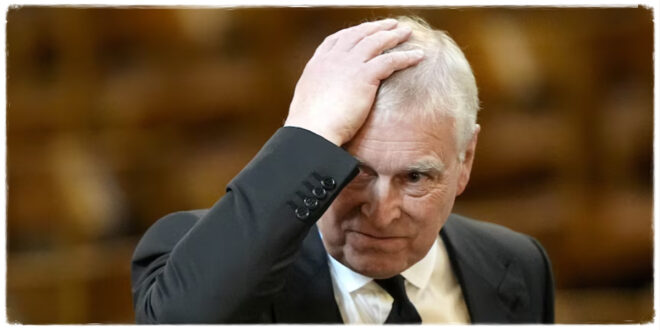
Andrew Mountbatten-Windsor could potentially face life imprisonment if new allegations connected to convicted sex offender Jeffrey Epstein were proven in court, legal experts have suggested.
This week, Thames Valley Police confirmed it is reviewing claims that Andrew may have shared confidential information from his time as a UK trade envoy with Epstein. King Charles III has stated he would cooperate fully with any official investigation.
If authorities determined that a serious breach of duty or responsibility had taken place, the maximum penalty could include life imprisonment. Unlike the reigning monarch, Andrew does not benefit from sovereign immunity and can therefore face criminal prosecution and possible jail time.
Attention now turns to what developments may unfold over the coming year — and whether the current police assessment will ultimately lead to formal charges or further legal action.
Speaking to HELLO!, legal experts offered insight into the possible legal consequences facing Andrew Mountbatten-Windsor if investigations progress further.
Among those consulted were criminal solicitor Chloe Jay, senior partner at Shentons Solicitors in Winchester, and Simarjot Singh Judge, managing partner at Judge Law in Windsor. Meanwhile, Jennifer Obaseki, who heads Obaseki Solicitors, warned that events could take “a very quick and serious turn of events” for the former prince in what she described as a “worst-case scenario” situation.
Andrew, who has faced scrutiny for years over his association with Jeffrey Epstein, has consistently denied any wrongdoing.
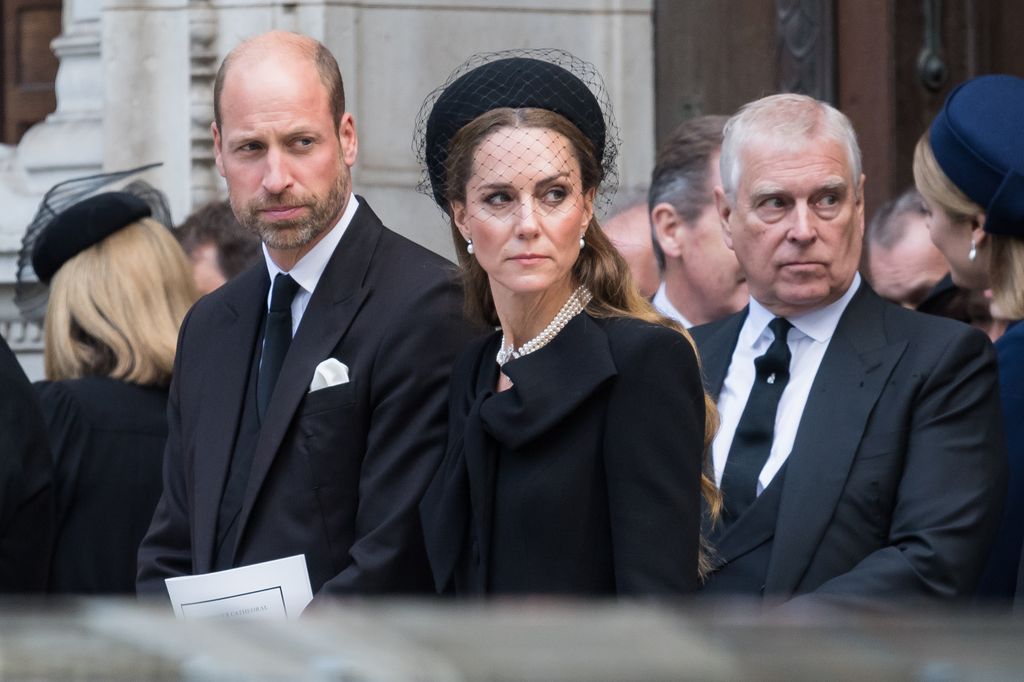
What are the next steps for Andrew?
If Andrew Mountbatten-Windsor were contacted by Thames Valley Police, the first step would likely involve an invitation to attend a voluntary interview as part of the investigation.
Simarjot Singh Judge of Judge Law explained: “If Andrew were to be contacted by Thames Valley Police, that would usually mean officers want to speak to him as part of an ongoing investigation. It does not automatically mean he will be charged, arrested, or prosecuted.”
He continued: “The first step would typically be an invitation to attend a voluntary interview or, in some cases, an arrest if police believe it is necessary. At that stage, legal advice is absolutely crucial, and no one should engage with police questioning without a solicitor present.”
However, he stressed that any investigation of this nature could take significant time, adding that it may “take many months, sometimes longer than a year, depending on the complexity of the allegations.”
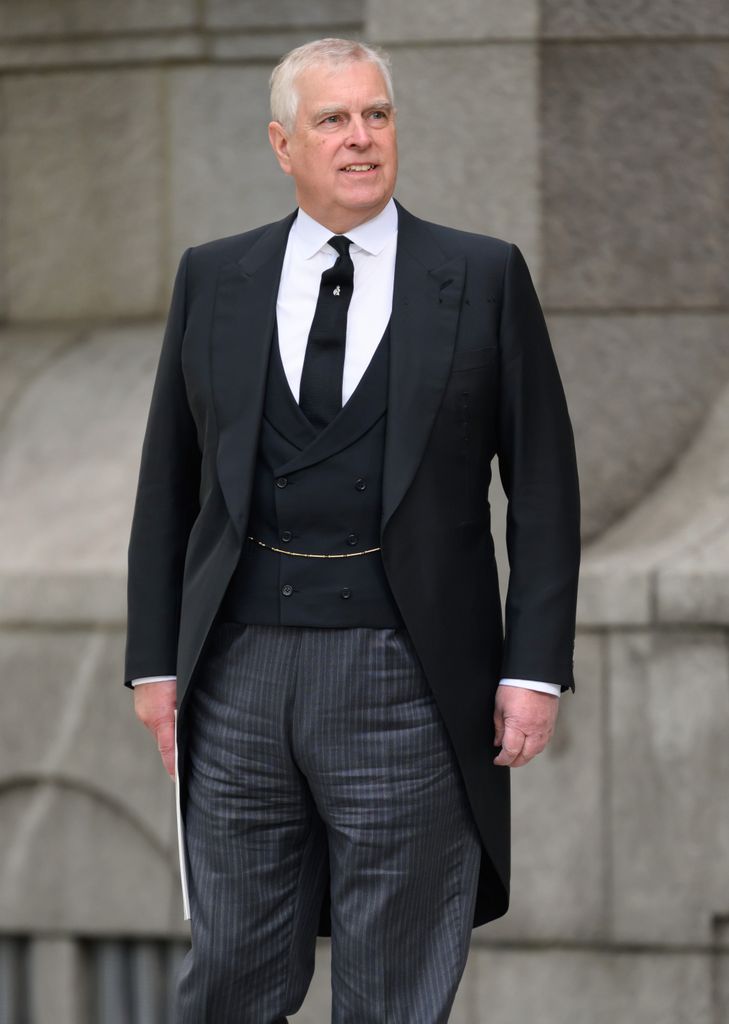
Andrew Mountbatten-Windsor was strippеd of his title and royal privilegеs by the King last October
Chloe Jay explained that even reaching a decision on whether Andrew Mountbatten-Windsor should face prosecution could take around “a year,” particularly given the complexity of the investigation.
She outlined that pre-charge bail is typically set at three months, authorised by custody officers and extendable to nine months, after which any further extension would require approval from a magistrates’ court. However, she noted: “a complex investigation quite often takes more than a year.”
Once investigators complete their inquiries, the evidence is passed to Crown Prosecution Service, where prosecutors assess whether there is sufficient evidence and whether pursuing charges would serve the public interest. If charges are brought and a not guilty plea is entered, proceedings would move to the Crown Court, but Chloe warned that it could take “a couple of years” before a trial begins.
Regarding the length of any eventual trial, she believes proceedings could last “minimum a month,” depending on additional factors such as media coverage, ensuring trial fairness and the time needed to examine evidence.
However, Jennifer Obaseki told HELLO! that if investigators uncovered strong enough evidence, developments could start unfolding relatively quickly.
What evidence will they be looking at?
The allegations are linked to Andrew Mountbatten-Windsor’s period serving as the UK’s Special Representative for International Trade and Investment. He held the post from 2001, after retiring from the Royal Navy, until stepping down in 2011.
At the time, the government body UK Trade & Investment described the role by stating: “The duke’s unique position gives him unrivalled access to members of royal families, heads of state, government ministers and chief executives of companies.”
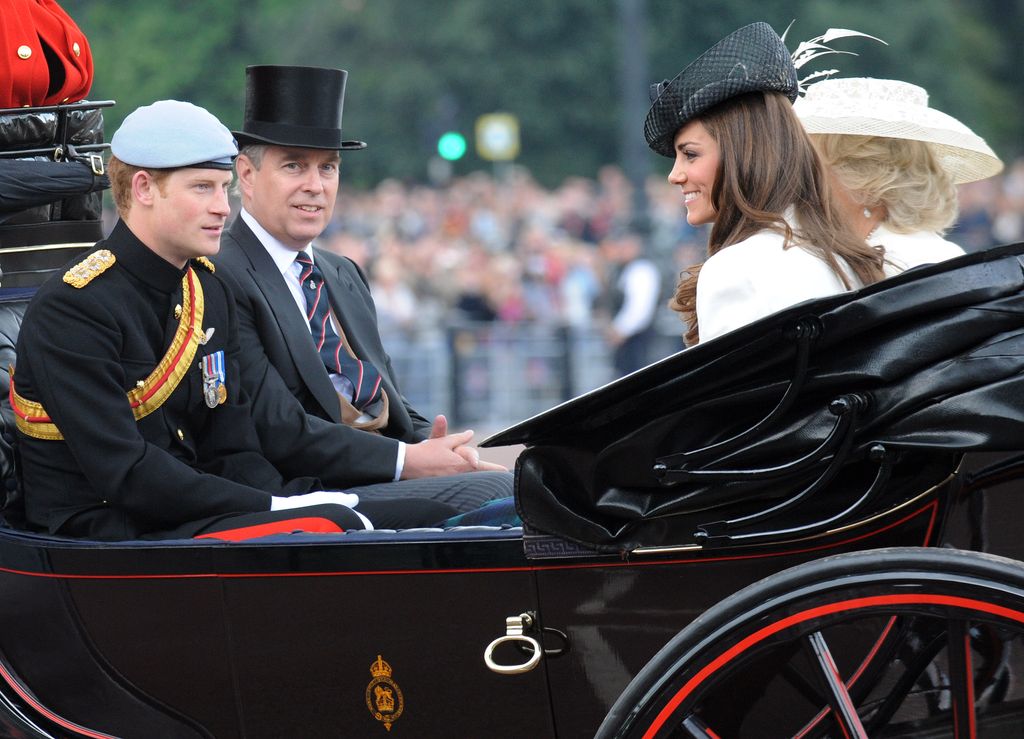 Andrew held his tradе envoy role until 2011 (pictured at Trooping the Colour thаt year, with Prince Harry)
Jennifer Obaseki explained that investigators would likely examine the documents in question, the nature of the allegations, how any information was obtained, and the security classification attached to the materials involved.
Meanwhile, Chloe Jay added: “They’ve got to prove willful neglect or misconduct to a degree that constitutes an abuse of public trust, so it requires a serious breach, such as giving away information that could be used in any way contrary to this country’s interests. If the evidence is in emails or documents, rather than hearsay, it will be much easier to prove.”
Could Andrew go to prison?
Although he is a member of the Royal Family, Andrew Mountbatten-Windsor can still face criminal prosecution and imprisonment if found guilty of an offence. Members of the monarchy are not exempt from the law — illustrated in 2002 when Anne, Princess Royal was fined £500 after one of her dogs bit two children.
The case was formally recorded as “Regina v Laurence, Anne Elizabeth Alice,” effectively meaning the Crown prosecuting the daughter. Commentators have since noted that, should matters progress involving Andrew, the situation could symbolically resemble brother against brother within the Royal Family.
The Princess Royal has also previously faced convictions for speeding offences, demonstrating that royal status does not shield individuals from legal accountability.
Meanwhile, Simarjot Singh Judge emphasised: “Whether Andrew could face jail depends entirely on the nature of the allegation, the strength of the evidence, and whether any offence is ultimately charged. Many investigations do not result in charges at all, and even where charges are brought, custodial sentences are not automatic.”
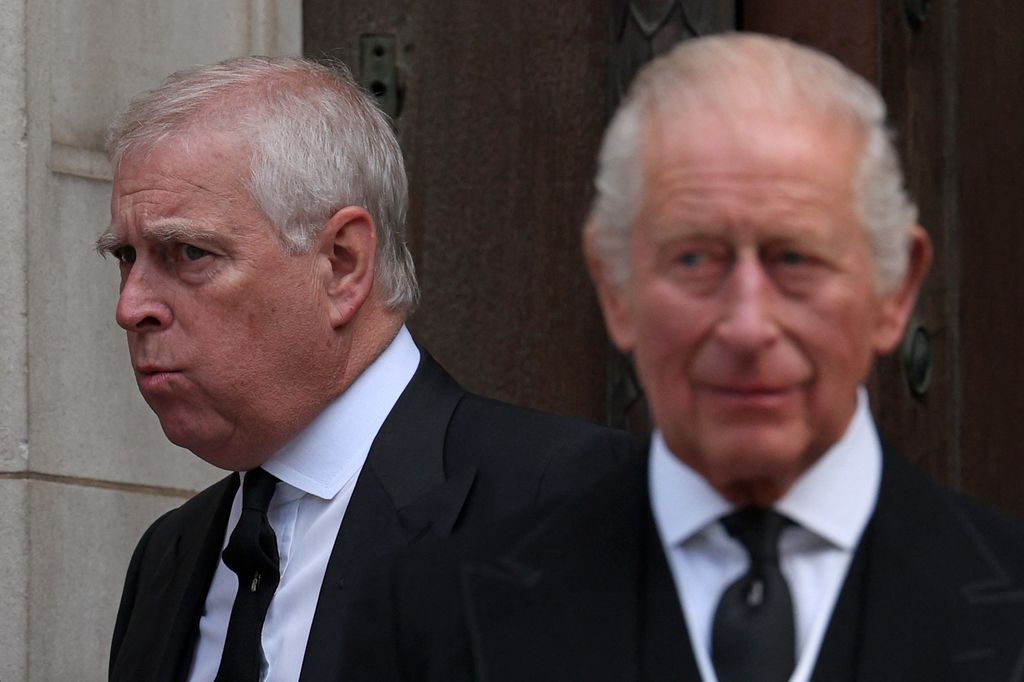 Britain’s Prince Andrew, Duke of York (L) аnd Britain’s King Charles III leave follоwing a Requiem Mass, a Catholic funeral service
Simarjot Singh Judge also stressed: “It’s important to stress that being under investigation is not the same as being guilty. The legal process is designed to test evidence thoroughly before any decision is made, and everyone is entitled to the presumption of innocence.”
He further advised: “The best thing anyone in Andrew’s position can do is seek early legal advice, avoid discussing the matter publicly or online, and allow the process to unfold with proper representation.”
Meanwhile, Jennifer Obaseki cautioned that many details remain unclear at this stage, adding: “We don’t know the level of information yet that is being dealt with. It depends on the level of privilege, the information he had and what he divulged.”
How long would Andrew go to prisоn for, if found guilty?
Speaking to HELLO!, Chloe Jay explained that the “maximum penalty” for the type of allegations being discussed could technically be life imprisonment, although she considers a whole-life sentence unlikely. Instead, she suggested any potential custodial term, if imposed, would likely amount to “a substantial period of time,” adding that it would probably involve “years not months,” depending on the real-world consequences of the alleged actions.
Jennifer Obaseki agreed that the seriousness of any breach would be central to sentencing considerations, particularly if it involved highly sensitive information. She noted: “It’s the level of trust that has been breached, if it’s extremely high, the risk to the public and the risk to the government, those will all be things to look at.”
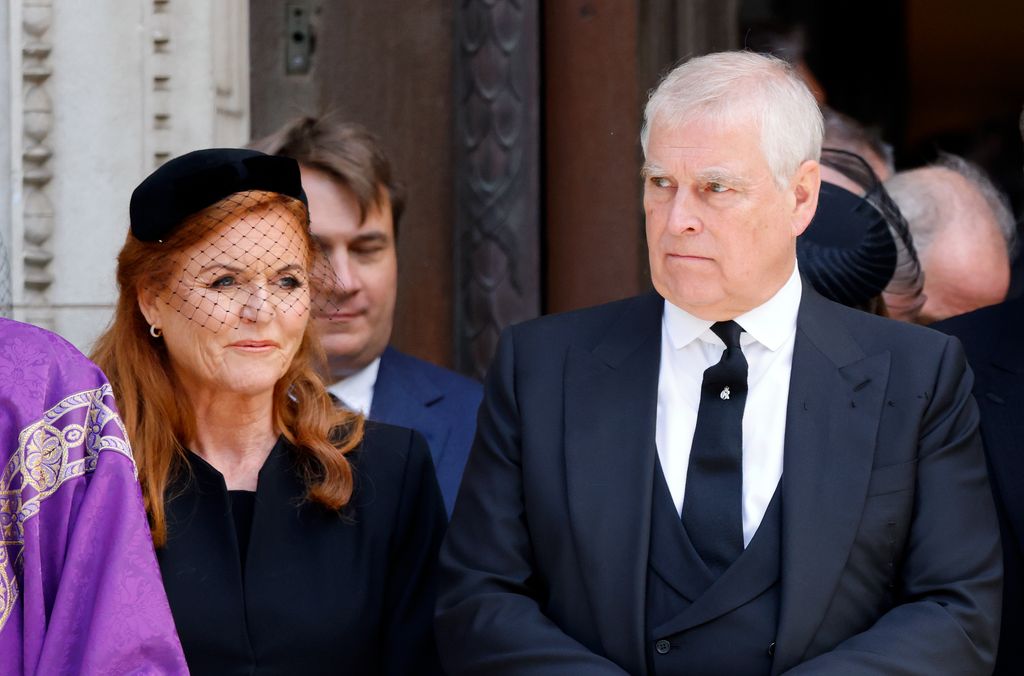 Andrew and ex-wifе Sarah Ferguson divorced in 1996
Jennifer Obaseki further explained that Andrew Mountbatten-Windsor does not have a prior criminal record, but noted that the wider context surrounding the case could complicate attempts to rely on a good-character defence.
She suggested that the broader “backdrop” of the situation, alongside other allegations and any potential suggestion of “concealment,” could make it harder for his legal team to argue that he should benefit from mitigation based on good character.
What is the most likеly outcome for Andrew?
Chloe emphasised that there are many people arrested every day who “never get anywhere near a conviction”. She added: “It won’t be until he’s convicted that we could be sure of anything about what’s happened.” Andrew himself has always vehemently denied any wrongdoing. However, if he isn’t charged, she believes there will be a “real public outcry” as the people “want justice”.
Jennifer added that the police will be facing “pressure” and “they can’t be seen to sweep it under the carpet”. She said: “It also means that other people will not be deterred from leaking secrets or highly classified documents. If a member of the royal household could not be trusted to hold classified information, who can? And if nothing happens to him, then who wants to stop anybody from doing it again?”
Both lawyers emphasised that the situation is very unique, with little to no legal precedent.Chloe Jay stressed that many individuals are arrested every day yet “never get anywhere near a conviction,” adding: “It won’t be until he’s convicted that we could be sure of anything about what’s happened.” Andrew Mountbatten-Windsor has consistently denied any wrongdoing. However, Chloe suggested that if he were ultimately not charged, there could still be “real public outcry,” as many people would feel justice had not been served.
Jennifer Obaseki also pointed out that police investigators would likely be under significant scrutiny, saying authorities “can’t be seen to sweep it under the carpet.” She added: “It also means that other people will not be deterred from leaking secrets or highly classified documents. If a member of the royal household could not be trusted to hold classified information, who can? And if nothing happens to him, then who wants to stop anybody from doing it again?”
Both lawyers noted that the situation remains highly unusual, with very limited legal precedent to guide how events might unfold.


