 The Royal Story The Royal Story
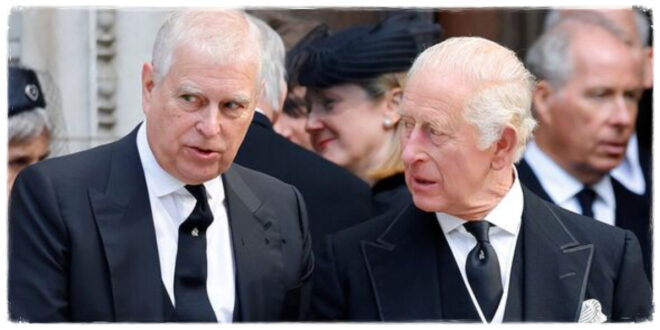
Buckingham Palace sent shockwaves through royal circles on Thursday evening after issuing a surprise statement confirming that King Charles had formally stripped his younger brother, Andrew Mountbatten Windsor — formerly Prince Andrew — of all remaining styles, titles, and honours.
Part of the Palace’s announcement read: “Prince Andrew will now be known as Andrew Mountbatten Windsor. His lease on Royal Lodge has, to date, provided him with legal protection to continue in residence. Formal notice has now been served to surrender the lease and he will move to alternative private accommodation. These censures are deemed necessary, notwithstanding the fact that he continues to deny the allegations against him.”
However, one small but striking detail did not go unnoticed by eagle-eyed royal watchers — the spelling of Andrew’s newly assigned surname. Unlike the traditional family usage of Mountbatten-Windsor with a hyphen, the Palace statement presented it as Mountbatten Windsor, without one.
When pressed on the omission, a Buckingham Palace spokesperson clarified simply: “Andrew Mountbatten Windsor was the name agreed.”
Mountbatten-Windsor with a hyphen
On the royal family’s official website, a detailed explanation is given about how the surname — Mountbatten-Windsor — came into existence. The name is a symbolic blend of the late Queen Elizabeth II’s family name, Windsor, and that of her husband, Prince Philip, Mountbatten.
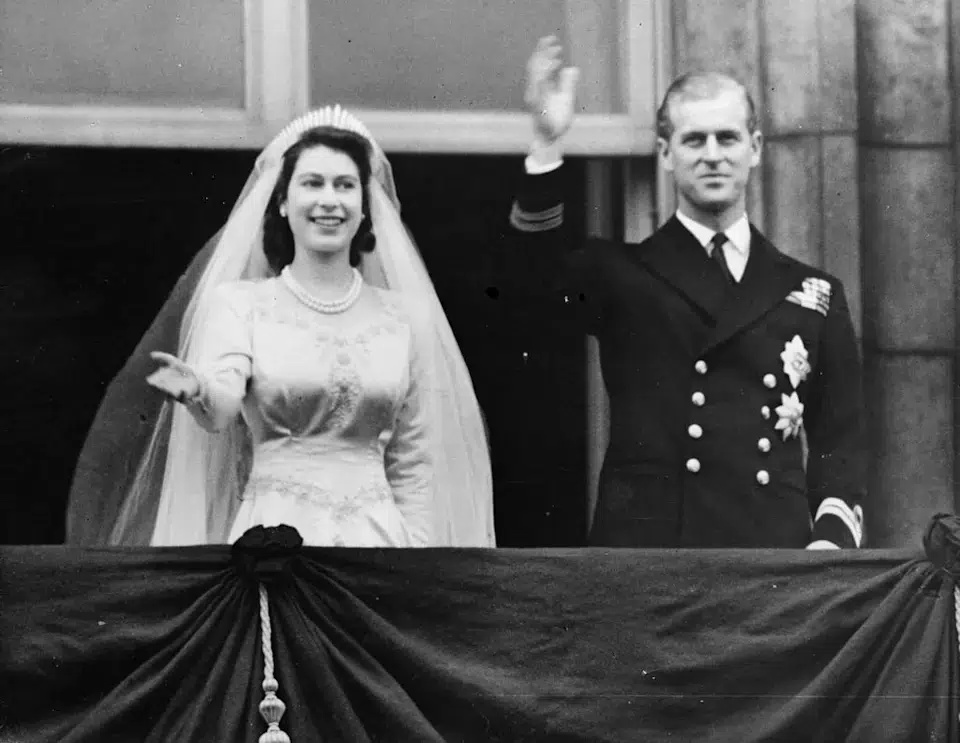
Philip, who was born Prince Philip of Greece and Denmark, became a naturalised British subject before his marriage to Princess Elizabeth in 1947. As part of that process, he gave up his original surname, Schleswig-Holstein-Sonderburg-Glücksburg — the dynastic name of the Danish royal house from which his father descended — and adopted Mountbatten, an Anglicised version of Battenberg, his mother’s family name.
The royal website explains: “In 1960, The Queen and The Duke of Edinburgh decided that they would like their own direct descendants to be distinguished from the rest of the Royal Family (without changing the name of the Royal House), as Windsor is the surname used by all the male and unmarried female descendants of George V. It was therefore declared in the Privy Council that The Queen’s descendants, other than those with the style of Royal Highness and the title of Prince/Princess, or female descendants who marry, would carry the name of Mountbatten-Windsor.”
The hyphen itself was formally introduced in an official declaration by Queen Elizabeth II, dated 8 February 1960, which read: “My descendants… shall bear the name of Mountbatten-Windsor.”
The hyphenated surname Mountbatten-Windsor made its first official appearance on 14 November 1973, in the marriage register at Westminster Abbey for the wedding of Princess Anne and Captain Mark Phillips.
Since then, it has appeared on several significant documents involving members of the royal family. One example includes the court filings in France during the privacy invasion case brought by the then Duke and Duchess of Cambridge over paparazzi photos taken of Kate while she was on holiday in 2012.
The surname was also used for the children of the Duke and Duchess of Sussex — Master Archie Mountbatten-Windsor and Miss Lilibet Mountbatten-Windsor — at the time of their births in 2019 and 2021. However, following the accession of their grandfather, King Charles, both children have since been granted the titles of Prince and Princess.
 Archie and Lilibet wеre also listed as having the hyphenated surnamе Mountbatten-Windsor when they were born
Emily Nash’s reaction to the statement
On Thursday evening, HELLO!’s royal editor Emily Nash shared her thoughts on the dramatic announcement of Andrew’s demotion, observing that the King was unmistakably “calling the shots” in the Palace’s statement.
“This is the move that many had called for, and the King had to act decisively in response, however difficult it may have been for him as a brother,” Emily explained. “It’s a marked change from Andrew’s earlier statement announcing he would no longer use his Duke of York title, in which he implied it had been his own decision to step back.”
“The Palace had to get it right this time to restore public confidence, and they have done so. The King has made clear that he is calling the shots. He’s condemned his brother’s ‘serious lapses of judgement’ and, crucially, stated publicly that his and the Queen’s sympathies have been and remain with the victims and survivors of abuse.
It may have taken longer than the public would have liked – there have been difficult legal and constitutional issues to consider – but the royal family will be hoping this draws a line under the latest slew of damaging headlines so they can focus on their work and the future.”


