 The Royal Story The Royal Story
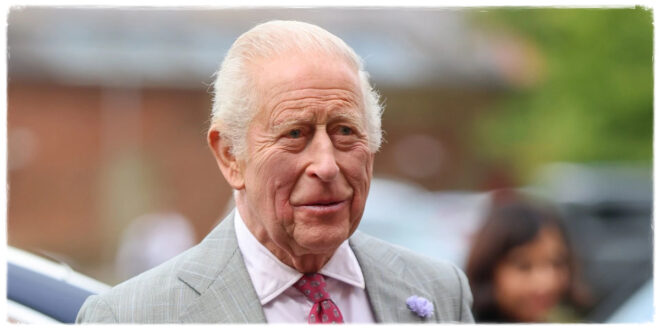
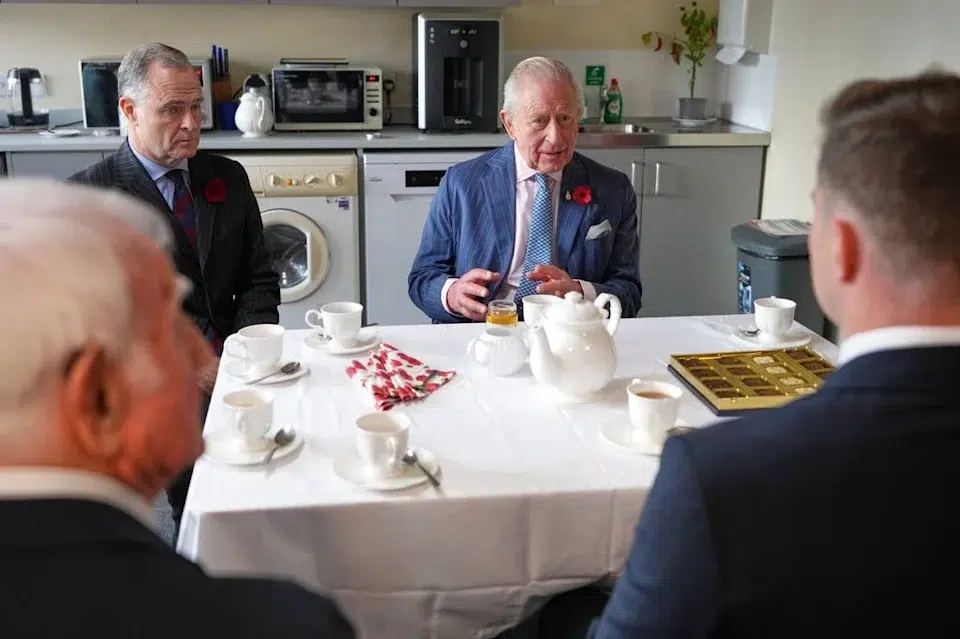
King Charles showcased his trademark sense of humour during a visit to Chatfield Health Care in London, where he met with ex-army personnel benefiting from the centre’s specialist services for veterans. Speaking with David Wiggins, who had fractured his elbow and wrist after coming off his bike in Richmond Park, the King asked: “Are they keeping that under control? I’m so glad.” When Wiggins mentioned that he now had three plates in his arm, Charles joked: “I’ve got endless plates and screws in my arm as well. All that’s left of you when you drop dead is ‘Made in Switzerland.’”
The monarch, aged 76, shared tea with Wiggins and four other veterans, praising the clinic’s tailored approach. “I’m so glad, I hadn’t realised there was this marvellous effort in specialising with veterans in GP practices which is clearly making a big difference,” he said.
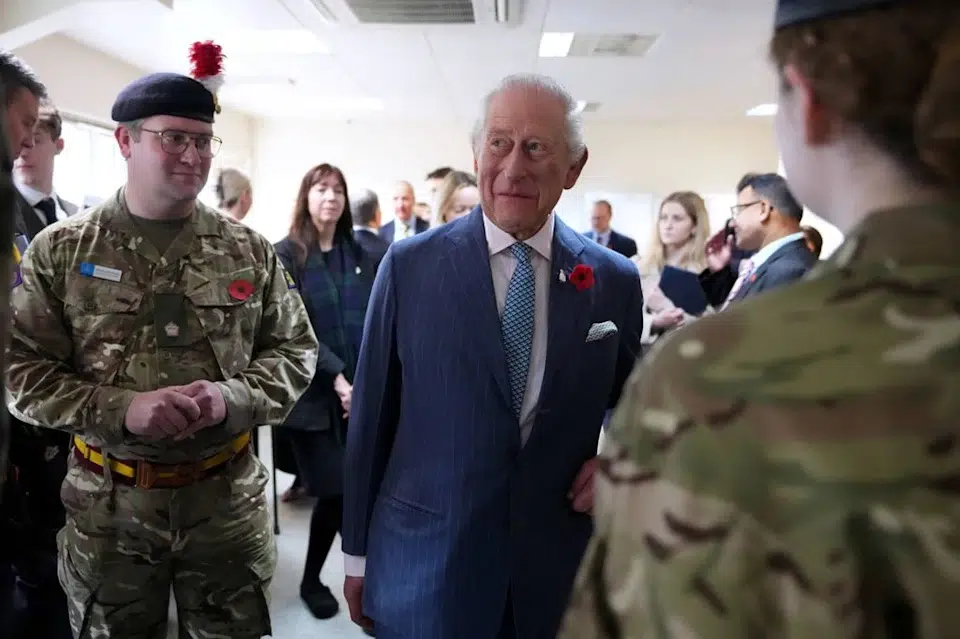
During his tour, Dr Shane Barker explained that many veterans are often “quite proud” and hesitant to seek help, preferring to handle problems alone. The King responded empathetically: “The difficulty I suspect is that when you leave the forces then you’re leaving that whole family of your unit. You’re suddenly left wondering what to do, I presume, it must be a great help?”
Addressing mental health, the King asked whether PTSD remains a prevalent issue. Brigadier Robin Simpson confirmed: “Absolutely. Unfortunately compared to the general population, veterans are more likely to get PTSD. It’s not the biggest but it’s a major issue. They won’t present to the GP saying, ‘I was in Afghanistan, I’ve got PTSD.’ They’ll say, ‘I’ve got a headache, or I’m tired all the time.’ The GP has to ask that question, ‘Did you ever serve in the Armed Forces?’ and then they’ll tell them everything.”
Chatfield Health Care was among the first medical practices to join the Veteran Friendly programme, an initiative accredited by the Royal College of General Practitioners (RCGP) and NHS England.
Through the programme, all GP staff receive specialised training, along with regular updates and continued support, to ensure they can provide the highest level of care tailored to the unique needs of former servicemen and women. This initiative forms part of the NHS’s broader commitment to improving access to healthcare and mental health services for veterans and their families across the UK.
King Charles’ sporting injuries
King Charles has experienced a number of injuries over the years, including a particularly painful one in 1990 during a polo match, which left him with a broken elbow. At the time, the then 42-year-old Prince of Wales was treated by NHS nurse Gail Burbage at a hospital in Nottingham after taking a tumble from his horse.
Burbage recalled that Charles underwent a three-hour operation before spending a week recovering in a private side room on the ward, where his security team and personal assistants occupied an adjacent bay.
“It was an honour to care for him. He was personable, chatty – the ideal patient,” Gail said, remembering the experience fondly. “Of course, we had certain protocol we had to follow but he kept it all light-hearted and made it easy for us.” She added that the hospital staff had to keep his stay secret during his recovery.
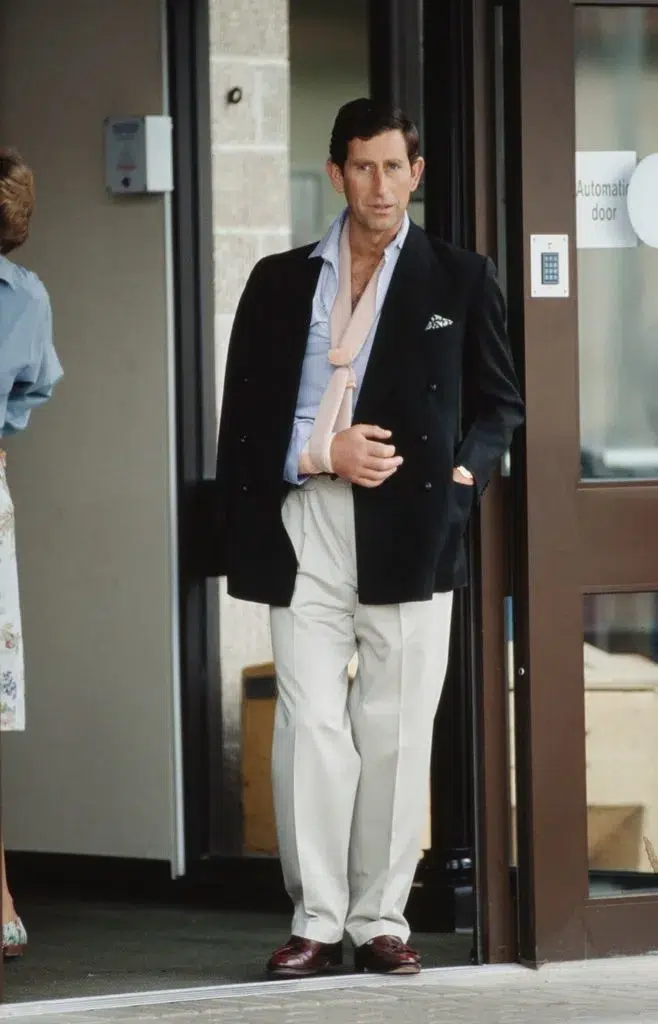
Following his hospital stay, Charles expressed his gratitude to the medical staff by sending Christmas cards and gifts from Harrods to everyone who had cared for him. He also penned a heartfelt letter, writing: “I hope the bones will mend properly and allow me to, finally, escape from slings and plaster.” Adding with humour, he noted: “Forgive me for the awful writing, but I am now trying to rediscover how to write with my right hand.”
A decade later, in another riding accident, the King fractured a bone in his shoulder after being thrown from his horse during a fox hunt in Derbyshire. According to a palace spokeswoman, the fall occurred when his horse made an unexpected jump, sending the royal to the ground and leaving him with another painful reminder of his lifelong passion for equestrian sports.


